Why Choose Healthy Snack Alternatives for Weight Loss?
Finding healthy snack alternatives to junk food is a high priority for anyone serious about losing weight. Many favorite junk foods snacks are high in calories and provide little by way of nutrition. While they taste good in the moment, they are easy to overeat, and don’t feel filling.
A diet high in highly processed junk foods will likely not be satisfying enough to sustain a calorie deficit for weight loss long term.
Filling foods
Three components make a food satisfying, especially for those sticking with a calorie deficit for weight loss.
- Protein: the protein molecule is generally complex and takes the digestive tract time to digest and absorb. While nutrients and energy are steadily released into the bloodstream, hunger hormones stay low, making you feel satisfied longer.
- Fiber: a largely undigestible molecule, fiber provides busy work for the digestive tract, keeping hunger hormones low. Fibrous foods like winter squash, fruits and veggies can be eaten in high volumes due to their low calorie content. This volume activates stretch receptors in the stomach that tell the brain it is full. This slows eating and helps us eat less naturally.
- Carbohydrates: often given a bad rap as a ’cause of weight gain’, carbs are actually an essential energy source within the body. Choosing ‘good’ carbs like fruits, veggies and whole grains versus high sugar, low nutrient junk foods quenches hunger hormones without spiking blood sugar and promoting fat storage.
Successful dieters find nutritious snacks that fit in with their daily calorie budget and nutrition goals in a hunger-satisfying way…and also taste great!
Top Healthy Snack Alternatives
Choose from a variety of healthy snack alternatives for junk food using the suggestions below. Pairing these foods to include the three components (protein, fiber and carbs) can be most satisfying, so I included suggested pairings to keep it simple.
Fruit
ALL types are fine, however watch portions on higher-sugar fruits like bananas, pineapple, grapes and mango. These add up faster on a calorie budget. Pair with a protein like mixed nuts, hard-boiled egg, yogurt or cottage cheese for the most satisfying snack, or blend into smoothies with low fat milk or Greek yogurt.
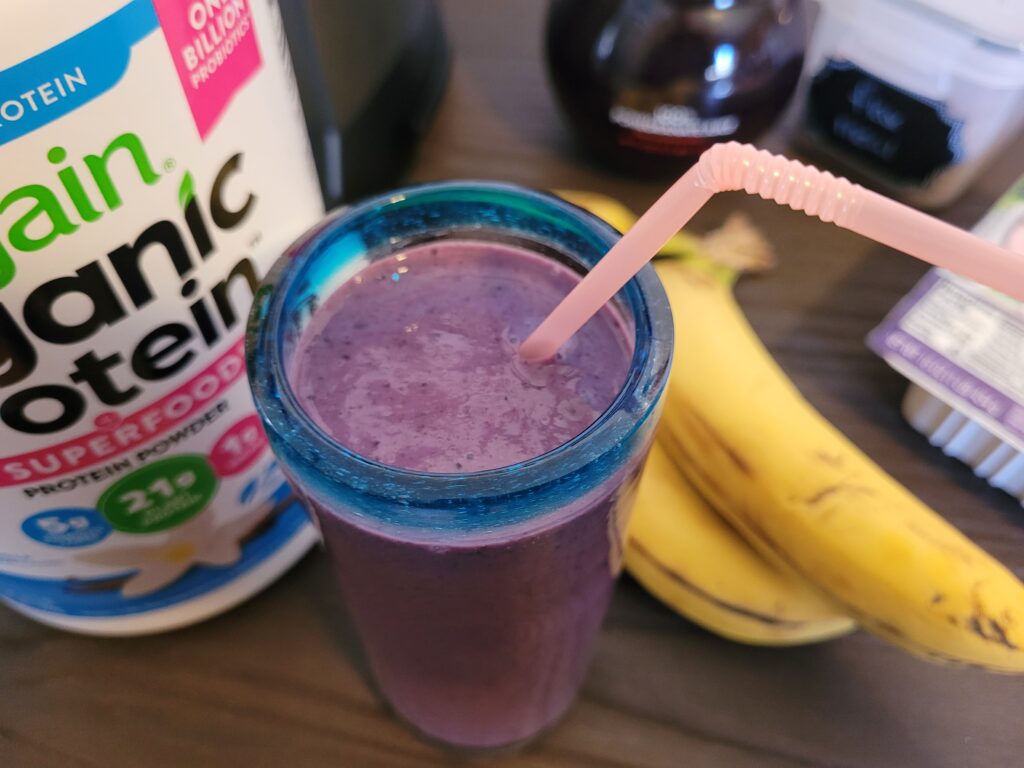
Take control of your hunger with a filling fruit and protein smoothie.
Vegetables
Vegetables are low in calories and can be eaten in large amounts to keep your digestive system ‘busy’ between meals. Cucumbers, baby carrots and cherry tomatoes make great grab-and-go options, but won’t be filling on their own. Pair with string cheese, cottage cheese, mixed nuts, hummus or a Greek-yogurt-based dip.
Low fat Dairy
Low fat Greek yogurt or 2% milk fat cottage make great sources of filling protein. Pair with fruit or vegetables to add more volume. Add chia seeds, hemp hearts or flaxseed for a boost of Omega 3’s.
Whole-Grain Crackers
Options like Wheat Thins or Triscuits offer a boost of filling fiber and pair well with sliced cheese and grapes. You may also try topping with cottage cheese and cherry tomatoes, or make mini-sandwiches with peanut butter and jam.
Cereal
Cereals provide fiber and a little sweetness to satisfy cravings. Choose options with less added sugar and more fiber like Raisin Bran or Honey Bunches of Oats. Pair with protein-rich low-fat milk or unsweetened soy milk for an easy snack.
Roasted Chickpeas or Edamame
Legumes contain both protein and fiber, making them a great choice for a filling snack. Roasting chickpeas or edamame gives them crunch, which feels incredibly satisfying to eat. Brands like Biena and Bada Bean Bada Boom offer flavors like sea salt, barbecue or wasabi ginger to fit any flavor you’re looking for.
Practical Tips for Including Junk Food Snacks in Your Diet
While including the healthy snack alternatives to junk food above, it’s likely you will still crave some of your favorite old snacks.
There is no reason to cut your favorites out entirely. A good rule of thumb is choosing half of one serving of junk food as it’s listed on the label, and pairing it with a serving of your favorite healthy food. This way, you can fill up on less calorie dense, nutritious foods, but still enjoy the flavors of your favorite snack.
Here are a few pairing examples:
1/2 serving of Cheetos with a handful of mixed nuts.
1 square of dark chocolate with an apple.
1/2 serving of potato chips with baby carrots and hummus.
Portioning
Don’t sit down with the whole package! Always serve yourself what you intend to eat and put the food container away. Sitting down with an entire bag of chips requires you to be incredibly mindful and very good at estimating portions, something humans just aren’t good at!
For best weight loss results, be sure to enter all of your selections into a food logging app to see how your calorie budget is affected by junk food. Over time, you’ll learn how to fit in your favorite junk food snacks amongst your new healthy diet.
When to snack
I regularly instruct weight loss clients to leave room for snacks in their calorie budget, as they’ll inevitably be hungry between meals. For example, if your daily weight loss calorie budget is 1800 per day, plan 13-1400 calories across meals and save 400-500 calories for snacks.
A Dietitian’s Top 10 Foods for Weight Loss
As a general rule, aim to eat something before you feel super hungry. In those moments, we tend to make poor food choices and eat larger portions. Most people are in need of a meal or snack every 3-4 hours during the day.
Don’t be afraid to snack! Instead, surround yourself with healthy snack options and build them into your plan so that you don’t feel guilty about grabbing something ‘extra’.
Making Healthy Choices: What to Avoid
While no junk foods are entirely off-limits, there are a few things you should be aware of when choosing foods. Highly processed snacks, like potato chips and candy, provide little nutritional value. They are regularly void of vitamins and minerals, fiber, and protein, all key elements of a successful weight loss diet.
Instead, they are loaded with sodium, sugar, fat and empty calories. Because that also makes them delicious, it’s difficult to control portions on these foods. Filling up on these foods easily spends your daily calorie budget for weight loss.
As an example, one single-serve bag of potato chips uses over half of the 4-500 calorie snack budget that I suggested before.
Plus, this and many other packaged snacks are low-volume foods that don’t activate stretch receptors that help shut off hunger.
Last, the body often absorbs these foods rapidly, leaving you feeling hungry soon after, while healthier foods take longer to digest and keep the body satisfied between meals.