Eating a high protein diet plan while watching calories for weight loss puts a heavy emphasis on protein sources. This leaves little wiggle room for other foods. By the time you hit a protein goal, there’s no room in the calorie budget for much else.
When I assess food logs for a client, I can fully see the problem. I primarily see protein being met with meat and dairy sources, with a sprinkling of produce and the occasional carb. Do they meet their calorie and protein goals? Yes, but at what cost?
Is high-protein sustainable?
High protein dieters often miss their favorite foods because most of their calories are reserved for protein. Reaching their protein goal leaves little calorie budget for fun foods like cereal or pizza. Mentally, this approach isn’t sustainable for the long term.
I often ask, “How would you feel about NEVER eating ice cream again?”. Successful high protein dieters integrate new habits into their permanent lifestyle. Unsuccessful dieters temporarily sacrificing their favorite foods to reach a result, and eventually fall back into old habits.. It’s important to consider how realistic your diet will be for the rest of your life. If change is unsustainable, weight loss results will not last.
Feeling gassy on your high protein diet plan?
The point of losing weight and adjusting the diet is to improve health and feel better. If you’ve tried a high protein diet plan, you might have noticed feeling a bit more sluggish and altogether less well. It’s difficult to continue the diet if the results make you feel worse.
Proteins are large, complex molecules that aren’t always easy to digest. Moving to a largely meat-based high-protein diet can cause bloating, nausea and gassy. Another unfortunate side effect is smelly gas and stool. If you can clear a room by passing gas, that’s a clear sign your diet is imbalanced.
High protein, low nutrient?
Protein is essential in the human diet for a lot of reasons. We need it for muscle, tissues and all sorts of chemical reactions within the body. However, too much of a good thing isn’t good at all.
When the majority of your calorie budget is taken up by protein, it leaves little room for other important nutrients. Healthy unsaturated and Omega 3 fats are required for vitamin absorption and brain health. There are limited amounts in typical meat proteins like chicken and beef, but higher amounts in seafood (also protein), grains, nuts and seeds.
High protein diet plans often lack grains and fibers, which are required for a healthy gut. Prebiotic fibers help feed healthy gut flora that aids in digestion. Grains, fruits and veggies also contain combinations of vitamins, minerals, phytochemicals and antioxidants that cannot be achieved with supplements.
Is your protein goal even appropriate?
If you chose a calorie and protein goal from an online weight loss calculator, consider meeting with a registered dietitian. Many clients come to me struggling to stick with a calorie goal that is way too low, and a protein goal that’s totally off-base. First thing’s first. Check your numbers with a qualified professional.
Lifestyle adjustments to support your diet
If you are largely sedentary, losing weight will require a tight calorie budget. I advise clients never to eat below their base metabolic rate (BMR). This is the amount of calories your body needs just to carry out basic bodily functions.
Incorporating more movement can give more wiggle room for a larger calorie intake and more variety of food. Movement can also aid in digestion and help relieve feelings of bloating and gas.
I suggest getting started with basic movement. Incorporate short walks into your day and create a step goal that challenges you. From there, you can build in routines for more formal exercise.
Expand your protein sources
It’s commonly known that meat and dairy products contain the highest concentrations of protein. However, we can utilize a variety of foods that are also good sources of protein. This is how we meet protein goals without overeating meat and dairy proteins.
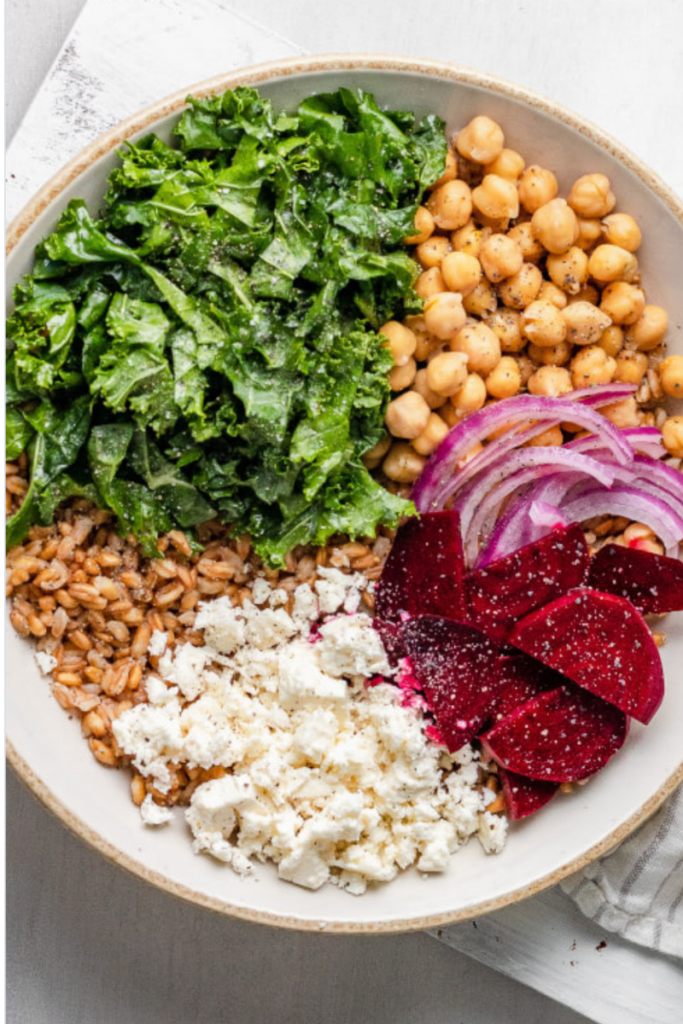
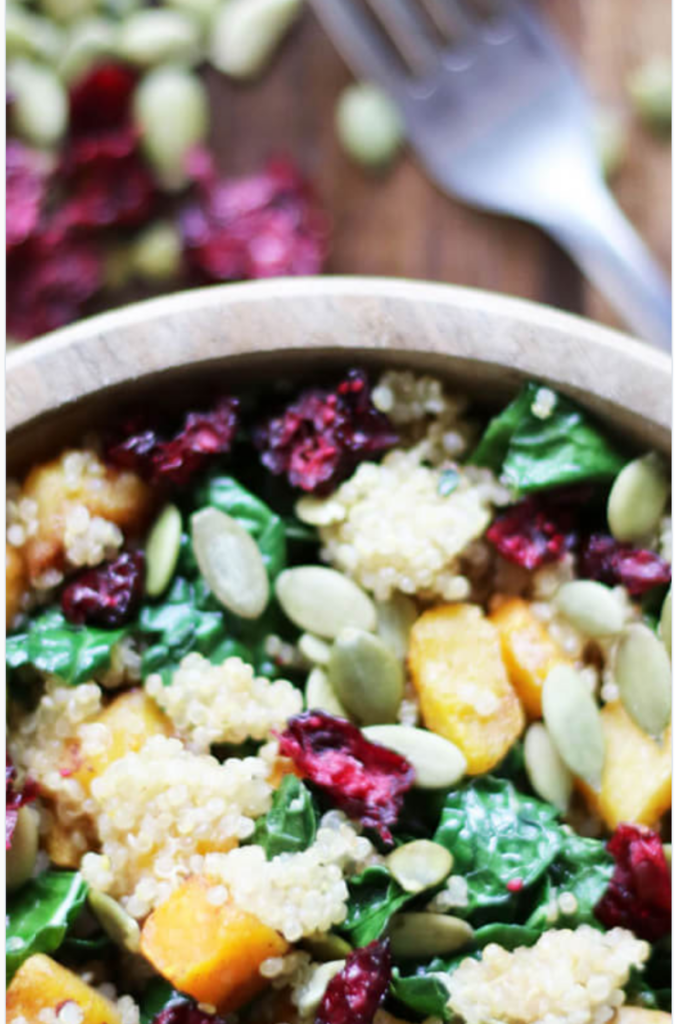
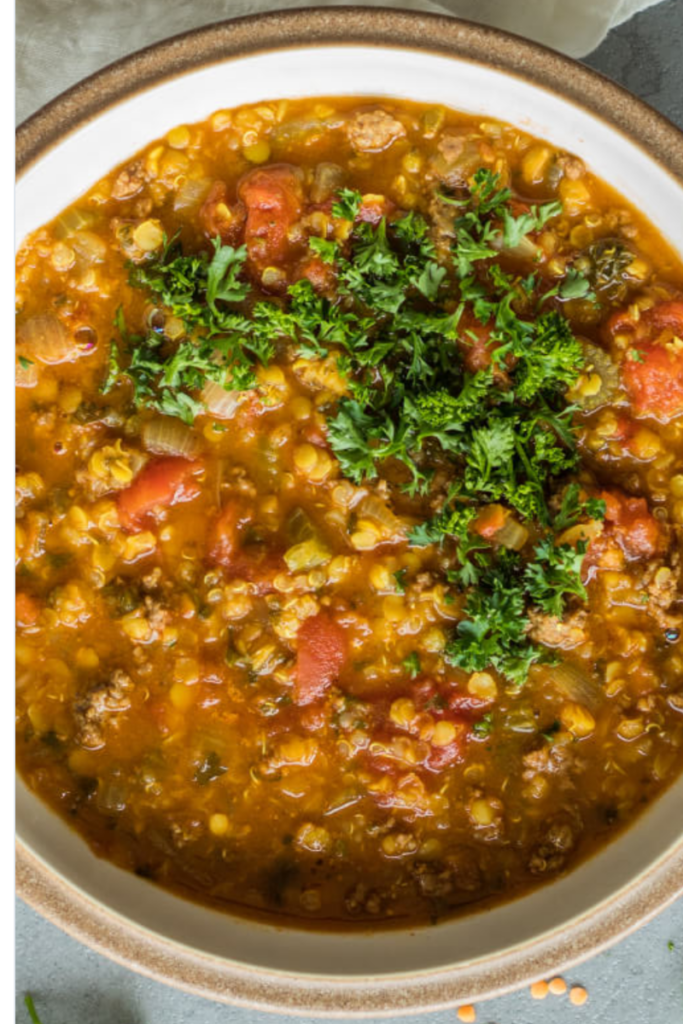
Build meals around higher-protein grains like quinoa, sorghum, farro and amaranth. Add nuts, beans, legumes, seeds and vegetables and complete your protein needs with meat as necessary.
Here’s what that could look like:
A high protein diet plan is effective for weight loss, once the common problems of imbalanced eating get resolved. Consult with a registered dietitian to make sure that your diet plan aligns with any medical conditions that you have.
Jackie Durand RD, CDN is a registered dietitian and owner of JD Nutrition LLC in Colchester, Connecticut. She has owned and operated JD Nutrition LLC since 2018, helping men and women of all ages lose weight and improve overall health.
How often should you meet with a registered dietitian?
Jackie works with patients to identify what possible nutrition and lifestyle changes would best help them reach their goal. For information regarding her services, read her Services page.
To join Jackie’s free weekly nutrition newsletter with blog updates, recipes and weight loss advice, click here.