
Weight loss appears to be relatively simple, but there are several common weight loss mistakes that most people make that have them giving up within a couple of weeks. Since calories in, calories out rules (mostly), avoid these 10 common mistakes to lose weight consistently until you reach your goal.
Understanding Common Weight Loss Mistakes
Mistake #1: Skipping Meals
The first of our common weight loss mistakes leads to overeating later. Skipping breakfast or lunch to ‘save’ calories for later disrupt their hormones. First, cortisol, which normally spikes in the morning and is effectively lowered by our first meal, stays elevated during the day.
Ignoring hunger also prompts more ghrelin (hunger hormone) to be released. When ghrelin and cortisol are circulating, hunger can feel out of control. At their next meal, people who skip meals usually end up eating more than they ‘saved’.
This diet pattern makes it very difficult to stick with a calorie deficit plan for the long term. Instead, I recommend planning out reasonably-sized meals throughout the day that fit in your calorie budget and keep hunger hormones satisfied.
Mistake #2: Relying on Diets without Sustainable Changes
The newest diet fad feels like the answer. Intermittent fasting was popular, so were Paleo and Keto. Having a ‘plan’ makes it very clear and easy to make food choices, but as soon as you want something ‘off plan’, it’s easy to falter and fall back into old habits.
Instead of following a strict plan, fit foods and family meals that you already know how to prepare into your calorie deficit for weight loss FIRST. Then, you might experiment with new foods and recipes and work them in.
Mistake #3: Neglecting Exercise
Can you enter into a calorie deficit for weight loss without exercising? Technically, yes, however that’s a short-game move that will come back to haunt you later.
First, increasing calories burned through exercise might actually help you enter a calorie deficit in the first place. That extra wiggle room means you can have a little more freedom with food throughout the day as well.
Second, exercise, and with a focus on muscle-building exercise, help make sure that weight lost comes from body fat and spares muscle. Without exercise, energy can be taken from muscle, and weight lost comes directly from ‘toned’ muscle. The result is looking thinner but flabbier.
In addition, muscle burns more calories at rest than body fat. If weight lost reduces muscle mass, you effectively lower your daily calorie burning, meaning you’ll need to cut more and more food out of your diet to stay in a deficit. Soon, you’ll be flabby, weak and practically starving.
Mistake #4: Winging It
‘Eating healthier’ may improve measures like blood pressure, cholesterol and blood sugar when done right. However, changing what you eat doesn’t guarantee that you’ll hit a calorie deficit for weight loss.
Cutting out junk food can certainly affect your appetite and you might naturally lose weight, but will likely not take you to your goal weight entirely.
Begin tracking your daily food intake with an app like My Fitness Pal as you begin reworking your food choices. Get a full Nutrition Blueprint for Weight Loss completed at JD Nutrition LLC to zero in on your ideal calorie goal for weight loss, plus an outline of other nutrition goals like protein, fiber and commonly-deficient vitamins and minerals.
Mistake #5: Lack of Planning
Hoping to stay within your ideal calorie goals for weight loss by the end of the day is NOT a plan. Logging your food choices AFTER you eat them is not a plan. It creates a lot of uncertainty and guilt around food, and many people stop logging shortly after beginning because it’s mentally exhausting.
With your Nutrition Blueprint for Weight Loss in hand, plan out your day in advance the night before using your calorie goal and personalized nutrition goals. Plug in your anticipated food choices into your app, and as you build, pay attention to how your nutrition stats are stacking up.
This small amount of forethought increases the likelihood that you’ll hit your nutrition goals consistently enough to see weight loss. Don’t be afraid to repeat meals that fit together well and keep you feeling satisfied. Variety is the spice of life, but consistency equals weight loss!
Mistake #6: Ignoring Macros
‘Counting Macros’ hit the weight loss scene several years ago and is still the rage amongst dieters. Is it important? ‘Macros’ refer to macronutrients, those found in large quantities and contribute to the bulk makeup of our calories during the day.
The macros protein, fat and carbohydrates can be eaten in ANY amount so long as in total, quantities stay within your calorie deficit goals when trying to lose weight. Of course, there are nuances that play a role in weight loss that you’ll want to know about.
Getting adequate protein is vital to maintaining muscle stores while losing weight. Along with weight training, this is a good way to ensure that most weight you are losing is coming from body fat while sparing muscle mass. Protein is also quite satiating, which is why many dieters choose to increase protein for weight loss.
A good balance of protein, fat and carbs is required to maintain the delicate balance of health overall. Too much or too little of any macro can throw of metabolism, increase cholesterol, disrupt normal blood sugar or negatively affect existing medical conditions.
Talk with your dietitian, Jackie Durand at JD Nutrition LLC for your personalized Nutrition Blueprint for Weight Loss, which recommends your macro balance based on your personal needs.
Mistake #7: Regularly Including Alcohol
Calories from alcohol may easily fit into your daily calorie allotment for weight loss, especially if cutting out excessive sugar from mixers and juices.
But alcohol is more detrimental than added calories. Consuming alcohol causes your body to pause the natural groove of fat-burning for weight loss and focuses all of its attention on ridding the body of alcohol. This process may last up to a few days, depending on how much was consumed and how long it takes to process.
Dieters who drink on weekends may see their numbers decline by Friday, and pop back up on Monday. They constantly lose the same few pounds over and over because their metabolism is disrupted by alcohol.
If alcohol is a regular part of your weekend routine, try an experiment. Drink alcohol (within caloric reason) every other weekend and compare your results on weeks you drink versus abstain. This is the best way to see how alcohol is really affecting your progress.
Mistake #8: Cutting Out Food Groups
Eliminating carbs has been the go-to move for dieters since the early 2000’s. Diets like Keto, Atkins and even Whole30 label carbs as the problem, and when someone begins a diet, carbs are usually the first thing to go.
Ordinarily, the dieter will experience a sharp drop in weight within a few days of cutting carbs, which is really encouraging. Unfortunately, carbohydrates hold water within the body, and weight lost is usually just from this release of water, not body fat.
Carbs are also an essential element of energy for your body. Eating them in planned, balanced meals is a great way to feel satisfied and energized between meals. So long as your portions align with calorie goals, there is no reason not to eat carbs!
Mistake #9: NOT Allowing Favorite Foods
Often this point comes back to carbs and sugar. These foods tend to be really yummy and we have a hard time with portioning. Again, if your portions align well with your calorie and overall nutrition goals, nothing is off limits.
Another reason to include your favorite foods is psychological. Imagine telling yourself you’d never eat your favorite candy again. That’s not a statement the mind will just accept. Instead, it dwells, and every time you see your favorite candy, you want it more and more. Studies show that prolonged absence of a food enhances the dopamine (happy hormone) response when you eventually eat that food again. This means that saying no for a while will push you back to craving that food even more!
Instead of saying ‘no’, say ‘yes’ in a controlled manner. Include a serving of your favorite cookie or candy after lunch. Have that bag of chips you want as your carb choice at dinner. Not only to single servings of ‘junk’ foods usually fit in the calorie budget, eating them regularly makes them normal instead of a forbidden treat.
Mistake #10: Ignoring Fiber
Fiber is the most underrated dietary element out there, and often, it’s omitted entirely because fiber usually comes with, you guessed it…carbs!
You’ll find fiber in fruits, veggies, whole grains, beans and legumes, but it’s largely undigested within the body. You get the benefit of the bulk of food eaten, but without the calories. Plus, it takes time for the body to sort through fiber and flush it out, keeping the digestive tract busy and hunger signals at a minimum. Sounds like a dieting hack!
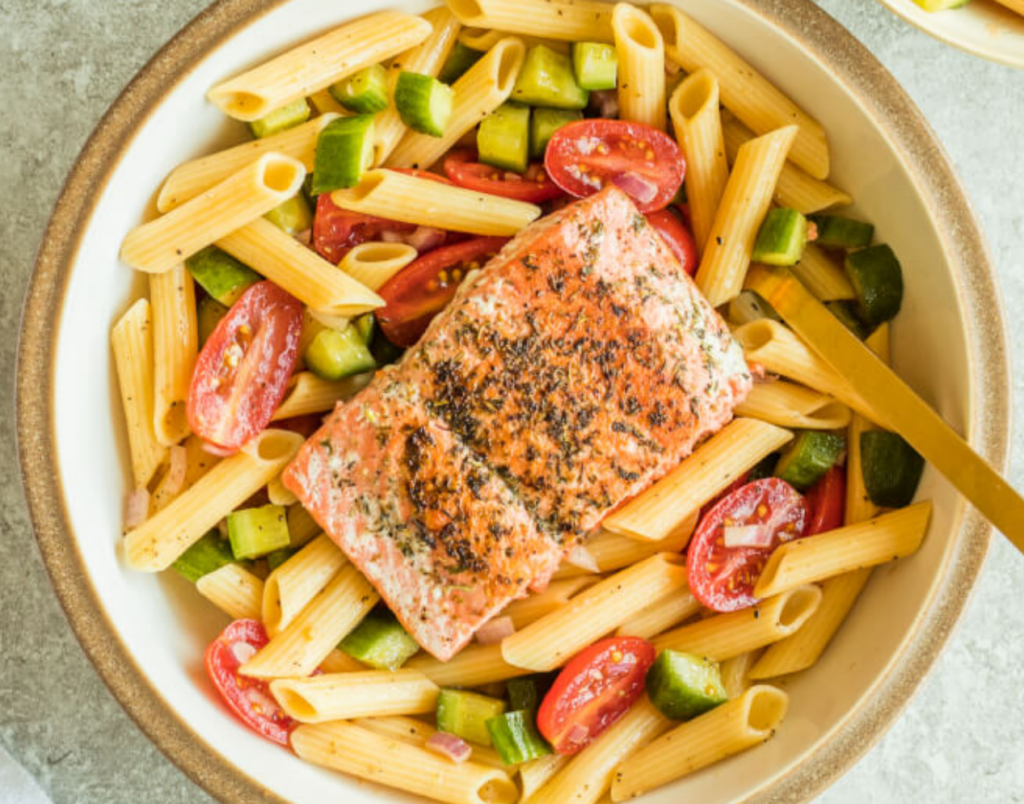
Bulk fiber stretches receptors in the stomach, signaling to the brain that you are full, shutting off powerful hunger hormones. Simply, fiber makes you feel full faster, and for longer between meals.
Avoid these 10 Common Weight Loss Mistakes
Avoiding these mistakes means creating a solid routine and meal plan template that ticks all of the nutrition boxes. For help with your Weight Loss Nutrition Blueprint, and to reduce stress and frustration around weight loss, contact Jackie at JD Nutrition LLC.